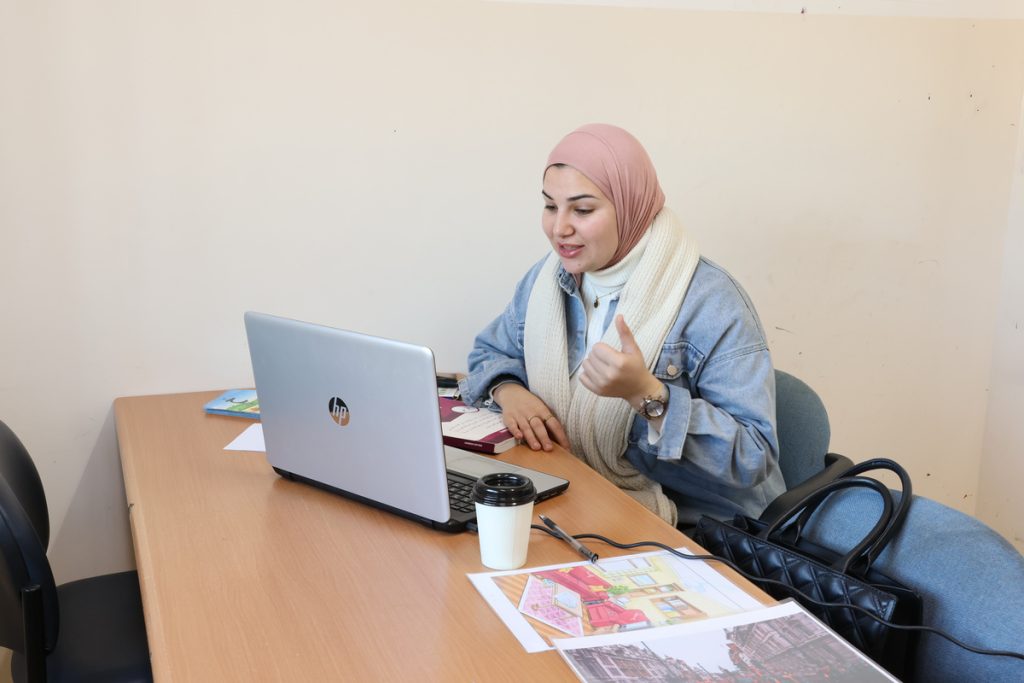
Beginner Private Online Arabic Lessons with Certified Tutors: Starting a new language is easiest when someone guides you from the very first word. Levantine Arabic, also called Shami, is the spoken Arabic of Palestine, Jordan, Syria, and Lebanon, and it is the language you hear in homes, shops, taxis, and cafés across the region. If your goal is to talk with people, this is the Arabic to start with.
At Engage in Germany, beginners study in private, one-to-one lessons with a certified native tutor. You need no previous Arabic at all. Your tutor starts with sounds, greetings, and simple phrases, and you begin speaking in your very first session.
This guide walks you through how our beginner lessons are organized, what you will be able to do after your first weeks, and how to begin with a free trial lesson.
Book a Free Shami Arabic Trial Lesson Online
Start your Shami Arabic journey with a free online trial lesson. You will meet your certified tutor, talk about what you want to achieve, and experience a real one-to-one lesson. There is no payment and no commitment, just a simple first step toward speaking everyday Arabic.

Table of Contents
What Is Levantine (Shami) Arabic?
Levantine Arabic is the group of spoken dialects used along the eastern Mediterranean. Locals usually call it Ammiyya, the everyday language, as opposed to Fusha, the formal Arabic of newspapers, books, and official documents.
It has four main varieties: Palestinian and Jordanian in the south, Syrian and Lebanese in the north. They share most of their grammar and a large core of vocabulary, so the phrases you learn in one variety will be understood in the others. The differences lie mostly in pronunciation and in a handful of common words.
For a beginner, this means you can choose general Levantine or a single variety from the start, and either path will let you communicate across the region. Thanks to its strong presence in TV dramas and music, Shami is also familiar to many Arabic speakers outside the Levant.
Why Choose Private Lessons at the Beginner Level?
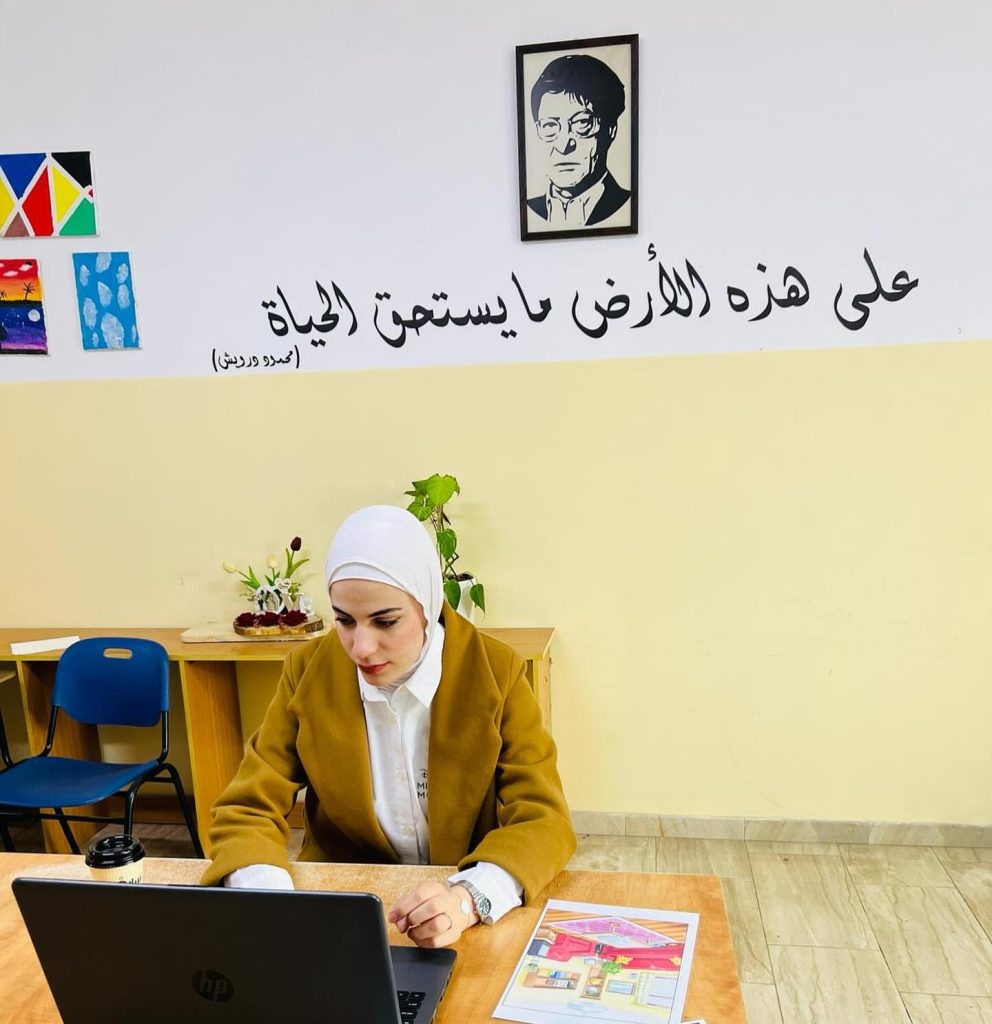
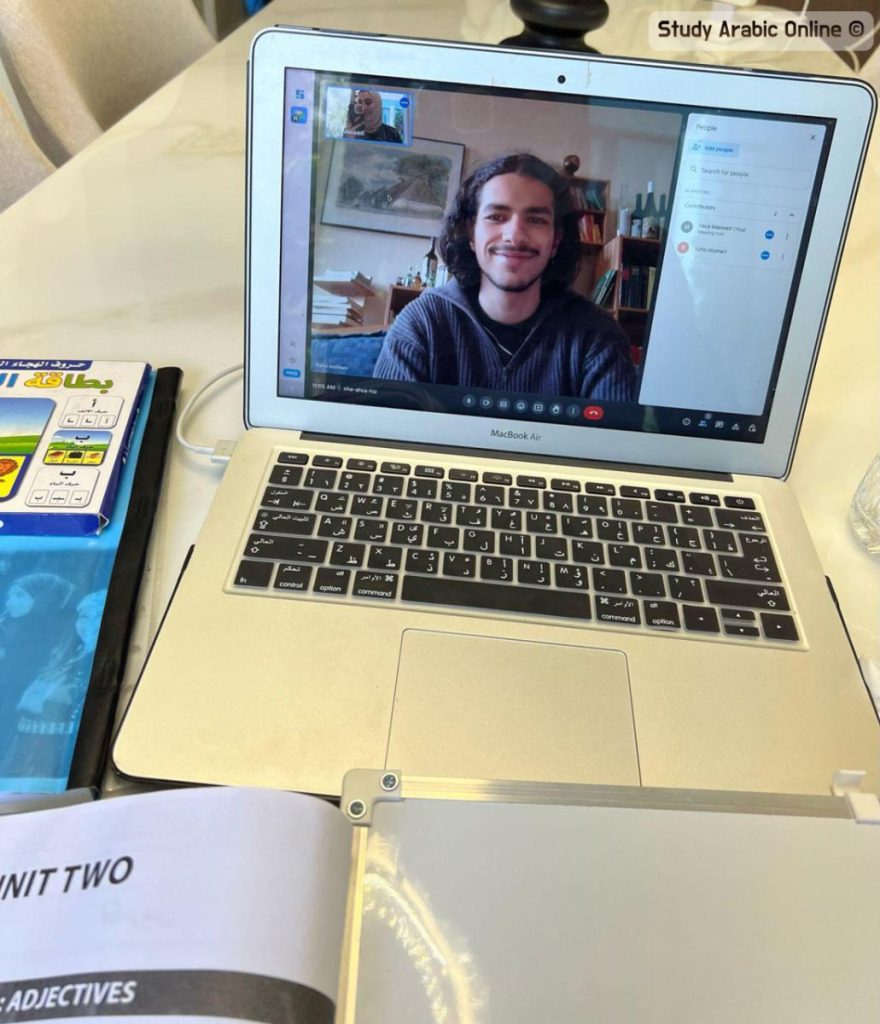
Many people put off learning Arabic because they worry about the script, the unfamiliar sounds, or saying something wrong in front of a room full of strangers. Private lessons take that pressure away. It is just you and your tutor, so you can ask the same question twice, repeat a tricky sound as often as you need, and take your first steps at a comfortable pace.
A private setting also means your course starts exactly where you are. If you already know a few greetings, you skip ahead. If you are starting from nothing, your tutor begins with the basics and builds from there, without a group moving faster or slower than you.
Because lessons happen online, getting started is simple. Open your laptop or phone, join the call, and your first conversation in Levantine Arabic can take place the same week you sign up.
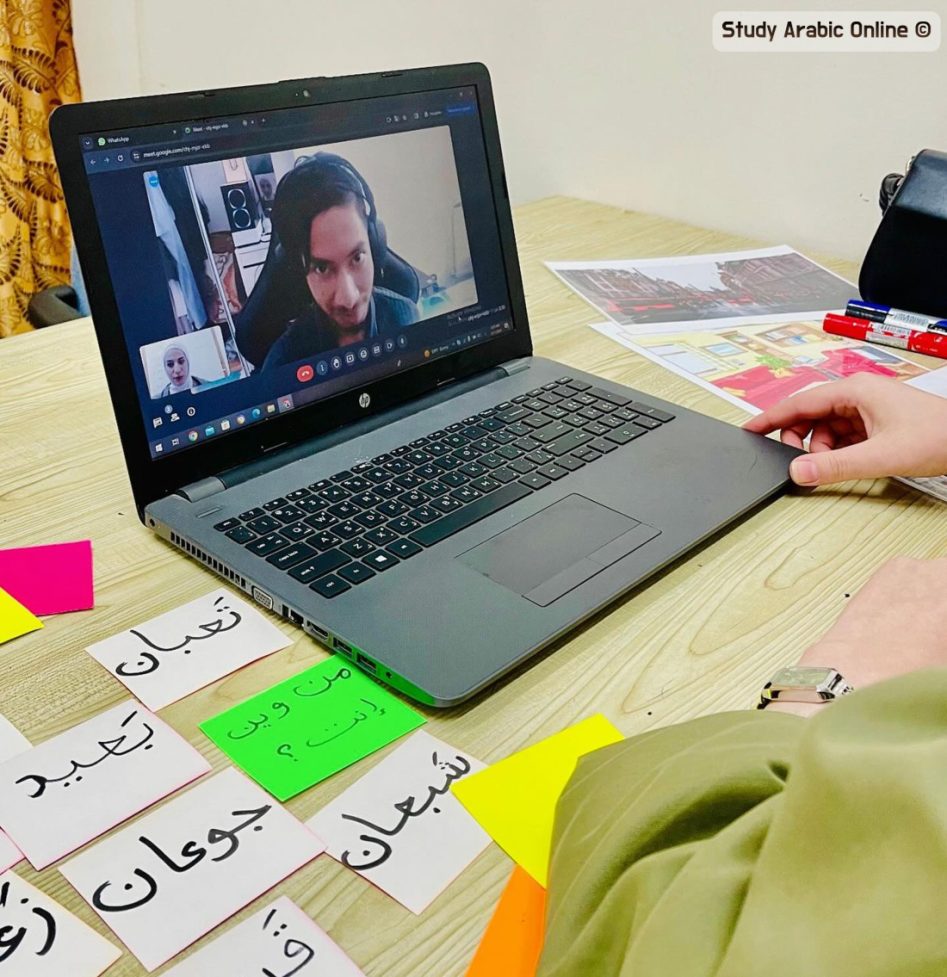
Beginners come to Levantine Arabic for many reasons:
- Preparing for a trip, a move, or a volunteer stay in the Levant
- Talking with a partner, in-laws, or relatives in their own language
- Reconnecting with family roots in Palestine, Jordan, Syria, or Lebanon
- Working with colleagues or communities from the region
- Enjoying Levantine music, films, and TV series
- Taking a first step toward further Arabic study
Who Are Beginner Lessons For?
Our beginner lessons welcome learners such as:
- Complete beginners with no Arabic
- Learners who studied a little Arabic years ago and want a fresh start
- Partners, spouses, and in-laws of Levantine speakers
- Heritage learners who recognize some words but cannot yet respond
- Professionals and NGO staff preparing to work in the region
- Students planning a semester or research stay in the Levant
- Volunteers and travelers getting ready for a trip
- Anyone who wants a flexible way to learn Arabic from home
You can be 12 or 75. What matters is the wish to speak, and your tutor will take care of the rest.
Beginner Paths for Levantine Arabic
Beginner study is divided into three stages, and your tutor can also shape the content around a specific purpose.
Starter Stage
This stage is for learners with no Arabic at all. You learn the sounds of Levantine Arabic, greetings, numbers, and the core phrases for introducing yourself and asking simple questions.
Beginner Stage
You start holding short conversations about yourself, your family, your work, and your day. You learn to understand common questions and respond without long pauses.
Elementary Stage
Your vocabulary widens, your sentences get longer, and you handle everyday situations such as shopping, ordering food, and making plans. Once you finish this stage, you are ready to continue with our intermediate Levantine Arabic lessons.
Arabic for Travel and Volunteering
If you are heading to the Levant soon, your beginner lessons can concentrate on the situations you will face first: greeting your hosts, getting around by taxi or bus, ordering at a restaurant, buying groceries, and asking for help.
Arabic for Family Conversations
Heritage learners and partners of Levantine speakers often want the language of home. Lessons can center on family vocabulary, warm greetings, everyday expressions, and the polite phrases that matter around the dinner table.
What Will Beginners Learn?
Your tutor adapts the content to your goals, but a typical beginner program covers:
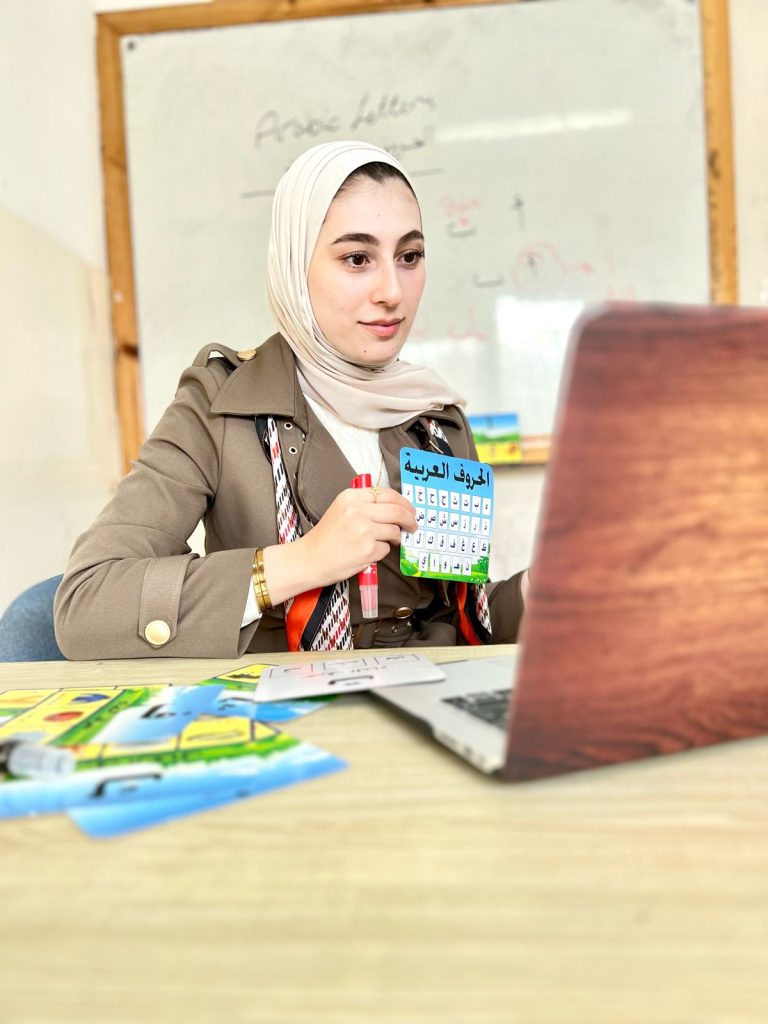
- The sounds of Levantine Arabic, including letters that do not exist in English
- Greetings, introductions, and courtesy phrases
- Numbers, prices, days, and telling the time
- Talking about yourself, your family, and your job
- Food, drinks, and ordering in cafés and restaurants
- Shopping and asking how much things cost
- Taxis, buses, and asking for directions
- Daily routines and simple plans
- Pronouns, masculine and feminine forms, and plurals
- Basic present and past verb forms, questions, and negation
- The Arabic alphabet, reading, and writing, if you want to add them
Every new item is practiced aloud right away, so grammar and vocabulary become part of how you speak instead of a list to memorize.
Which Levantine Variety Should a Beginner Choose?
Because the four varieties are so close, there is no wrong choice. A beginner who learns Jordanian Arabic will still be understood in Beirut, and someone who learns Syrian Arabic can chat comfortably in Ramallah.
A simple way to decide is to think about where, and with whom, you will use the language:
- Palestinian Arabic: a natural fit if you have Palestinian friends or family, with many words pronounced close to Standard Arabic
- Jordanian Arabic: practical for anyone living in or visiting Amman
- Syrian Arabic: the Damascus variety heard in many TV dramas, clear and widely understood
- Lebanese Arabic: lively and expressive, with French and English words mixed into daily speech
Not sure yet? Start with general Levantine Arabic, and your tutor can shift the focus later once your plans become clearer.
Learn from Your First Lesson with a Certified Native Tutor
Your beginner lessons are taught by experienced native Levantine Arabic tutors who hold teaching certification and work every week with learners who are new to Arabic. They know which sounds feel unfamiliar to English speakers and which grammar points cause the most confusion, and they plan each lesson so both feel manageable.
Here is what beginners can count on:
- Clear explanations in English while you build your first vocabulary
- Native pronunciation you can copy from the very start
- Plenty of speaking time in every lesson
- Gentle, immediate correction
- A focus on the Levantine variety you choose
- Short, achievable goals that make your progress visible
As your confidence grows, your tutor uses more and more Arabic during the lesson, so the step up to the next level feels natural rather than sudden.
Beginner Arabic Lessons Online: Course Overview
| Feature | Details |
|---|---|
| Course | Beginner Private Online Arabic Lessons |
| Dialect | Levantine Arabic (Palestinian, Jordanian, Syrian, Lebanese) |
| Levels covered | Starter, Beginner, Elementary |
| Lesson format | Private one-to-one |
| Lesson length | 45 minutes |
| Course length | 10 to 100 hours, chosen by the student |
| Hours per week | 2 to 20, flexible |
| Participants | 12 to 75 years old |
| Online platforms | Zoom, Skype, WhatsApp, and others |
| Days of the week | Saturday to Friday |
| Class times | Flexible, in any time zone |
| Learning materials | |
| University credit | Available |
| Trial lesson | Free |
| Fees | See our fees and payment options |
How to Start Your Beginner Lessons
1. Book Your Free Trial Lesson
Fill in a short form and pick a time that suits you. During the trial, you meet your tutor, try a real beginner lesson, and talk about why you want to learn.
2. Pick Your Hours and Schedule
Decide how many hours you want in total and how many lessons per week fit your routine. You can begin with as few as 2 hours a week or choose a more intensive plan.
3. Begin Speaking
Your tutor prepares a plan for your first stage, and every 45-minute lesson combines new words, pronunciation work, and short conversations.
4. Practice a Little Every Day
Five or ten minutes of review between lessons makes a real difference. Repeat new phrases aloud, play a Levantine song, or greet someone in Arabic whenever you get the chance.
Why Choose a Certified Tutor for Your First Arabic Lessons?
Learning Arabic on your own often stalls at the alphabet or at a handful of phrases you never get to use. A certified tutor changes that by giving your first months a clear direction and someone to speak with from the very beginning.
Here is what that looks like in practice:
- You always know what comes next, because your tutor maps out each beginner stage in advance
- Unfamiliar Arabic sounds are explained and practiced until they feel comfortable
- Small wins, like your first full introduction, are planned into the lessons so you see progress early
- Mistakes are treated as part of learning, never as a reason to feel embarrassed
- Review material in PDF keeps new vocabulary fresh between sessions
- Lesson times follow your time zone, even if it changes while you travel
- You receive a certificate of completion from Engage in Germany once your course ends
For a beginner, that structure is the difference between trying Arabic and actually speaking it.
Choose the Right Levantine Arabic Course for You
Once your first foundations are in place, you can keep building in the program that suits you best. Here is a short guide to the options:
1. Palestinian Arabic Online Course
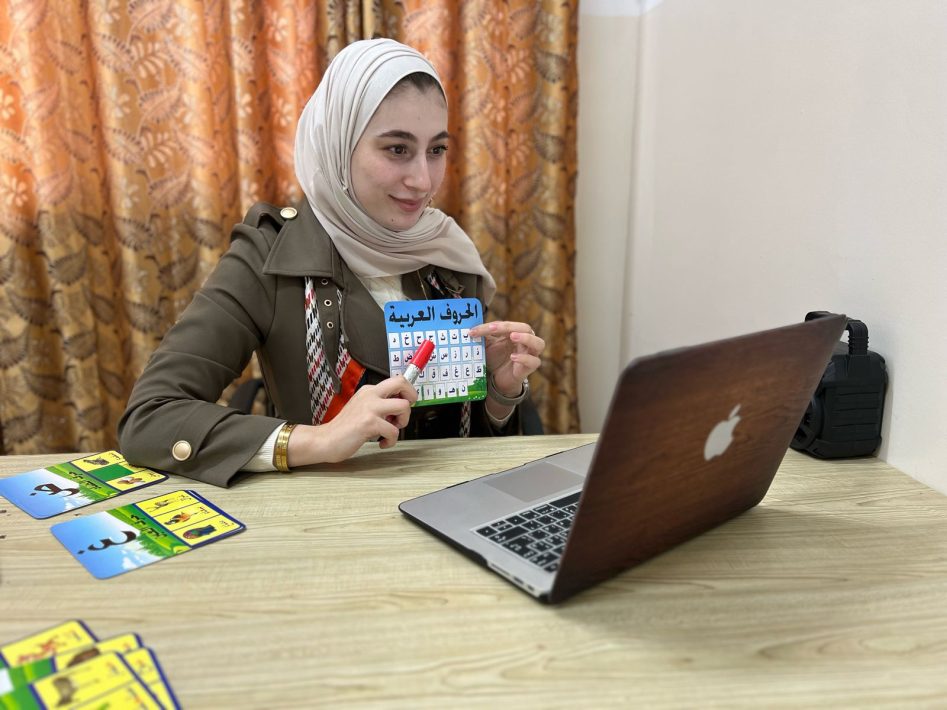
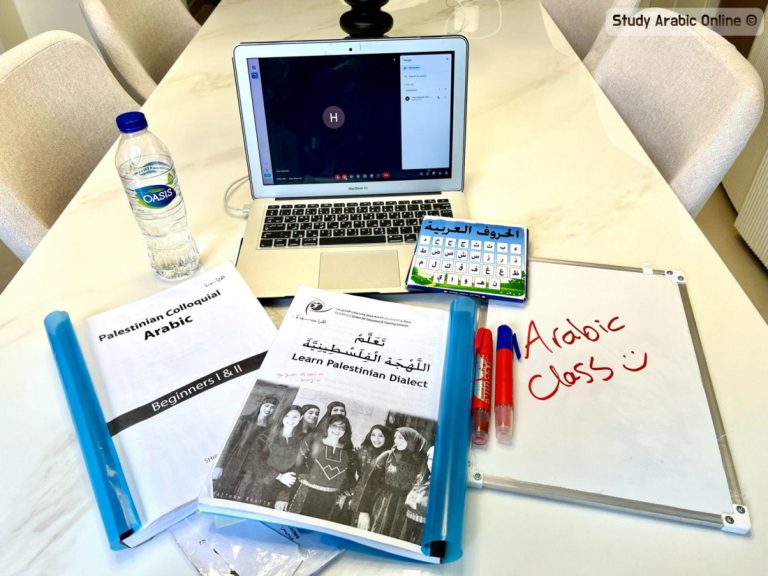
Palestinian Online Course: The Palestinian dialect, a colloquial form of Arabic known as Ammiya, belongs to the Southern Levantine dialect group and is widely spoken across Palestine. Notably, this dialect closely resembles Modern Standard Arabic, or Fusha, making it a practical choice for learners seeking to improve conversational skills and formal Arabic comprehension.
Because the Palestinian dialect preserves many aspects of classical Arabic pronunciation, with only minor adjustments, it can serve as an entrance point for understanding Fusha. Thus, mastering this dialect not only enables effective communication in Palestine but also strengthens your proficiency in Standard Arabic.
2. Studying Levantine Arabic Online
Studying Levantine Arabic Online: Levantine Arabic, also known as Shami Arabic or the Ammiyya dialect, is a fantastic option for those who want to learn this widely spoken and increasingly important dialect from the comfort of their home. Spoken by approximately 42 million people across Jordan, Palestine, Lebanon, and Syria, Levantine Arabic is a cornerstone of the Levant region. People across the broader Middle East and North Africa (MENA) region can easily understand it.
This dialect bridges linguistic gaps, enabling communication with people in countries like Egypt, Morocco, Tunisia, and the Gulf states. Studying Levantine Arabic online lets you immerse yourself in the language, practice with other learners, and build the skills needed to connect with diverse communities across the Arab world.
3. Jordanian Arabic Online Course
Jordanian Online Course: Engage in Germany offers a range of Jordanian Arabic online programs tailored to help non-Arabic-speaking expatriates integrate. Our courses emphasize practical conversation, focusing on vocabulary relevant to daily situations. Jordanian Arabic, also known as Jordanian Colloquial Arabic (Ammiya Jordanian Arabic) or simply Jordanian, is a variant of Arabic spoken in Jordan. It falls under Levantine Arabic (Shami Arabic), a group of Arabic dialects spoken in the Levant, including Jordan, Lebanon, Syria, and Palestine.
Unlike Modern Standard Arabic, which is used in formal settings and written communication, Jordanian Arabic is the spoken language of everyday conversation. It reflects the local culture and incorporates colloquial expressions specific to Jordan. Proficiency in Jordanian Arabic is especially advantageous for expatriates or anyone seeking to communicate effectively with the local Jordanian community.
4. Study Egyptian Arabic Online
Study Egyptian Arabic Online: Engage in Germany offers a comprehensive range of intensive and non-intensive Egyptian colloquial online Arabic courses. Beginning with the Starter Course and working through to the Advanced. Engage in Germany’s online Arabic lessons are as diverse and far-reaching as Arabic culture itself.
Covering all aspects of language learning, our Egyptian online Arabic programs focus on phonetics, conversation, writing, reading, and listening comprehension, as well as common idioms, daily tasks, and discussions suited to your course level. This ensures you build a broad understanding of Arabic.
5. Study Lebanese Arabic Online Course
Lebanese Online Course: Engage in Germany offers live, interactive group courses and private lessons in Lebanese Arabic year-round (spring, summer, fall, and winter). Our experienced teachers work with learners of all ages to improve their Arabic proficiency, especially Lebanese Arabic. Our group courses follow an organized curriculum called Lebanese Arabic from Scratch, designed for learners of all abilities.
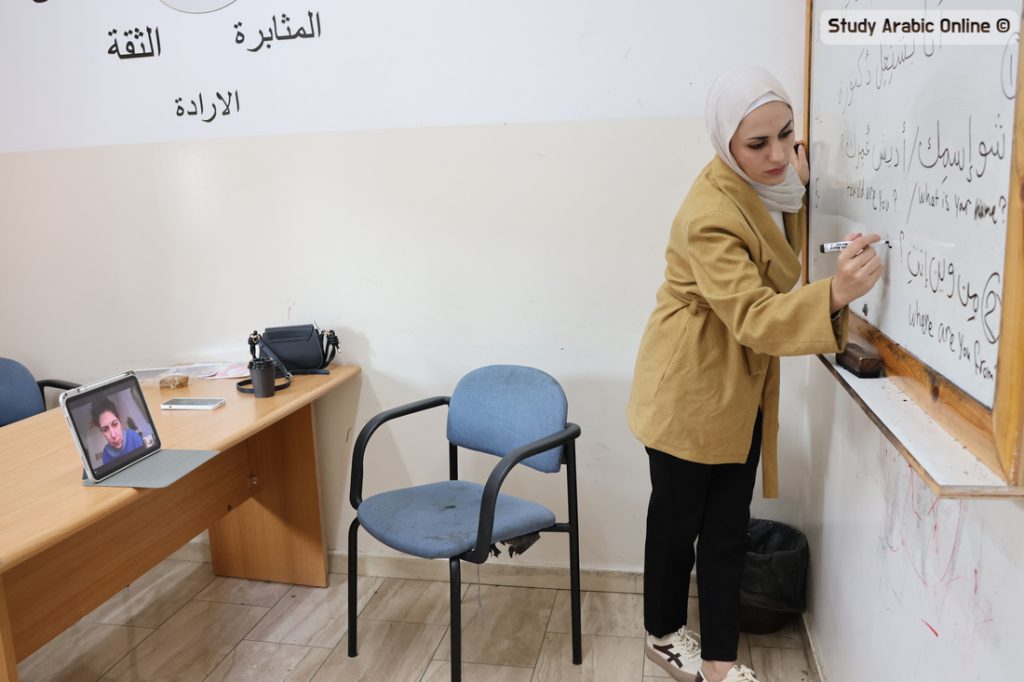
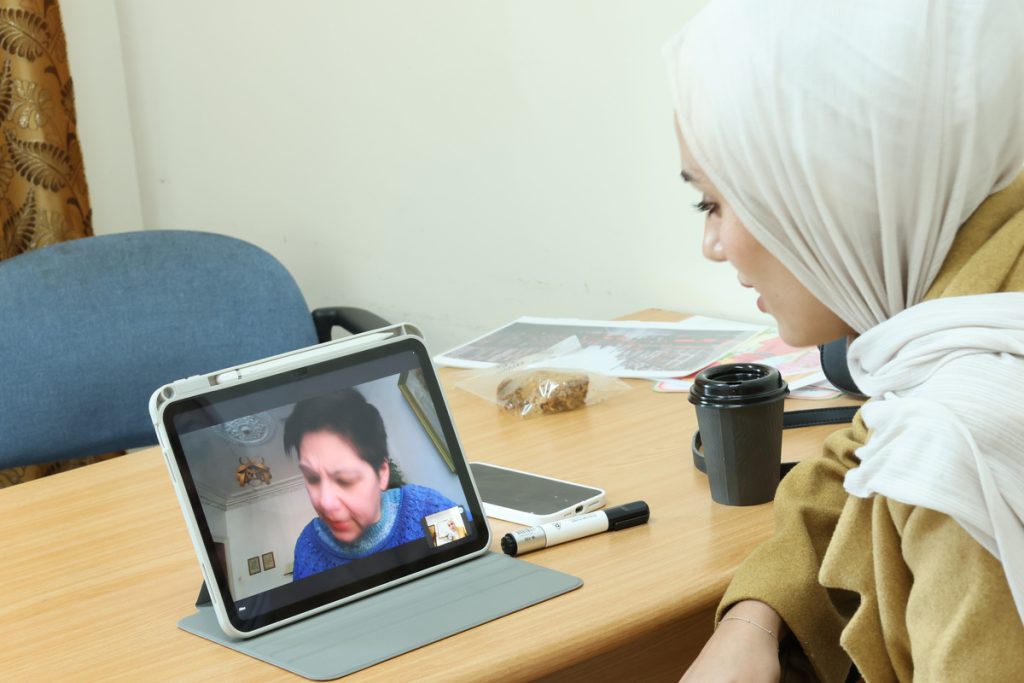
Whether you are just beginning your Arabic journey or are already an advanced learner, one of our courses will be the right fit for you, with multiple difficulty levels. Lebanese Arabic, also known as Ammiyya dialect, is a variety of Levantine Arabic (Shami Arabic) native to Lebanon. Because of significant influences from other Middle Eastern and European languages, it differs from other Arabic dialects.
6. Syrian Arabic Online Program
Syrian Online Course: The Study Syrian Arabic Online Program is a valuable opportunity for those who want to learn and study the increasingly relevant and critical dialect (also known as Ammiya, Shami, or Levantine Colloquial Arabic) and practice with other students. Shami Arabic is spoken by nearly 42 million people in four Arab countries: Jordan, Palestine, Lebanon, and Syria.
Syrian Arabic (Levantine dialect) is the most easily understandable dialect for people in the MENA region (including countries of the Gulf and Arab countries in the northernmost areas of the African continent, such as Morocco, Tunisia, Algeria, Egypt, and Libya) and is the dialect most similar to Modern Standard Arabic. Its wide comprehensibility allows speakers of this dialect to communicate with a broad audience of Arabic speakers. Thus, learning the Shami dialect is a gateway to connecting with people across a wide, culturally diverse region.
7. Study Modern Standard Arabic Online
Study Modern Standard Arabic Online is a great opportunity to learn a form of Arabic that is understood by people in twenty-two countries throughout the Arabic-speaking world. By taking this online course, you will learn the form of Arabic that is most often used in literary texts, in the press, in education, and in official transactions. This form of Arabic is also a direct descendant of classical Arabic found in the Quran and other historical texts.
Studying Modern Standard Arabic Online provides students at every level with a comprehensive study of Arabic’s beautiful and poetic features. They will learn all about its formulaic sentence structure, expressive vocabulary, and artistic script. Modern Standard Arabic (MSA) was first developed in the 19th and 20th centuries to help Arabic publications reach a wider audience without navigating the complexities of various dialects. Since its initial development, MSA has quickly become the contemporary standard for literary, legal, and academic publications and is widely used internationally.
8. Online Arabic for Kids and Teens
Online Arabic for Kids: Engage in Germany offers online Arabic courses for children and young people aged 10 to 17. Perfect for anyone eager to learn about the Arabic language and culture, these elementary classes differ from adult learning in content as well as teaching method; e.g., image recognition and game play a huge role, as well as the ability to access children’s Arabic digital media, including TV shows, books, and articles on a wide range of subjects.
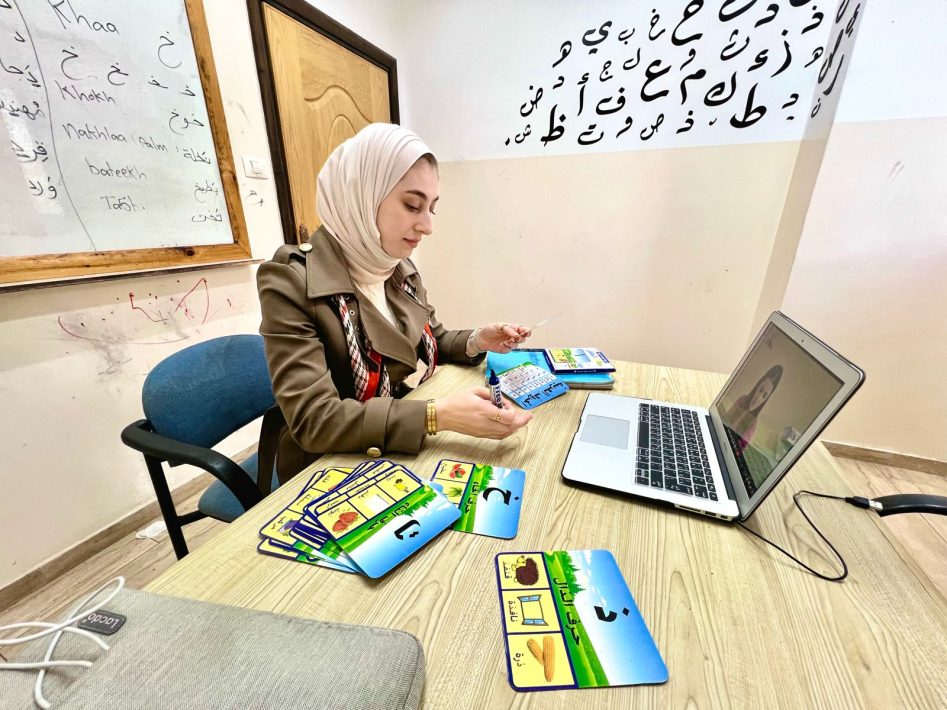
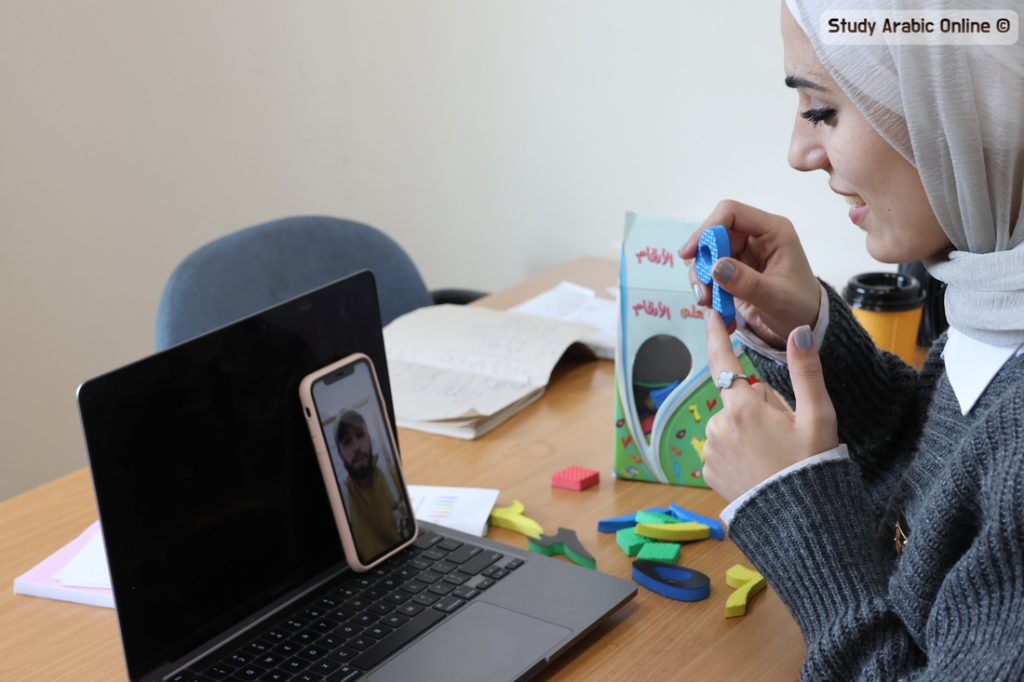
Our online Arabic courses are an excellent way to introduce children to an authentic Arabic language, culture, and media from the comfort of home. Specially designed for children, the course includes age-appropriate picture books, articles, and digital media in a virtual format. If you want to introduce your child to the Arabic-speaking world, enroll them in our Arabic Online Program to begin their language journey!
Reviews and Community Awards
Engage in Germany has been honored with several prestigious Community Awards, including being recognized as the Best Language School and Top Volunteer and Internship Program Provider for 2019, 2021, 2022, 2023, 2024, and 2025. For more details, please visit our profiles on GoOverseas.com and GoAbroad.com.


- +1000 Reviews (96.8%) on Gooverseas.com
- +190 Reviews (9.3/10) on Goabroad.com
- Participants’ video testimonials
- Check out our awards
Start Learning Arabic from Zero Today
Every fluent speaker once said their first “marhaba.” With a certified native tutor beside you, those first words come quickly, and simple conversations follow sooner than most beginners expect.
At Engage in Germany, your beginner lessons are private, flexible, and built entirely around you. You choose the variety, the number of hours, and the times that work for your life, and your tutor turns each 45-minute session into steady, visible progress.
The easiest way to begin is to try it. Book your free trial lesson, meet your tutor, and say your first sentences in Levantine Arabic.
Find Us Online
Should you have any questions, please do not hesitate to contact us at Info@eceurope.org.
Facebook page: https://www.facebook.com/eceurope
Facebook profile: https://www.facebook.com/rafat.shan.39
Instagram: https://www.instagram.com/ec.europe/
Youtube: https://www.youtube.com/channel/UCsQSLdFZWZcBm6Uj0XMYuKg
